Parking and narrow streets: Wood Green removal hacks
Anyone who has tried to move house on a busy London street knows the feeling: the van is ready, the boxes are stacked, and then you arrive to a road that looks far too tight for comfort. In Wood Green, that can mean awkward bends, parked cars on both sides, limited stopping space, and a bit of pressure from everyone else trying to get on with their day. These Parking and narrow streets: Wood Green removal hacks are designed to take the panic out of that part of moving and turn it into a plan you can actually use.
Whether you are moving from a flat near the station, shifting furniture from a terraced street, or managing a same-day move with no room for error, the trick is not brute force. It is planning, timing, and small practical decisions that save a huge amount of stress. Truth be told, most removal headaches in tight streets come from parking assumptions, not the lifting itself.
In this guide, you will find a clear step-by-step approach, useful local-minded tactics, and realistic advice on how to make a removal work when the street is narrow and parking is a puzzle. You will also see where services such as man with a van in Wood Green, house removals in Wood Green, and flat removals in Wood Green fit into the picture when the move needs proper coordination.
Table of Contents
- Why Parking and narrow streets: Wood Green removal hacks matters
- How Parking and narrow streets: Wood Green removal hacks works
- Key benefits and practical advantages
- Who this is for and when it makes sense
- Step-by-step guidance
- Expert tips for better results
- Common mistakes to avoid
- Tools, resources and recommendations
- Law, compliance, standards, or best practice
- Options, methods, or comparison table
- Case study or real-world example
- Practical checklist
- Conclusion
- Frequently asked questions
Why Parking and narrow streets: Wood Green removal hacks Matters
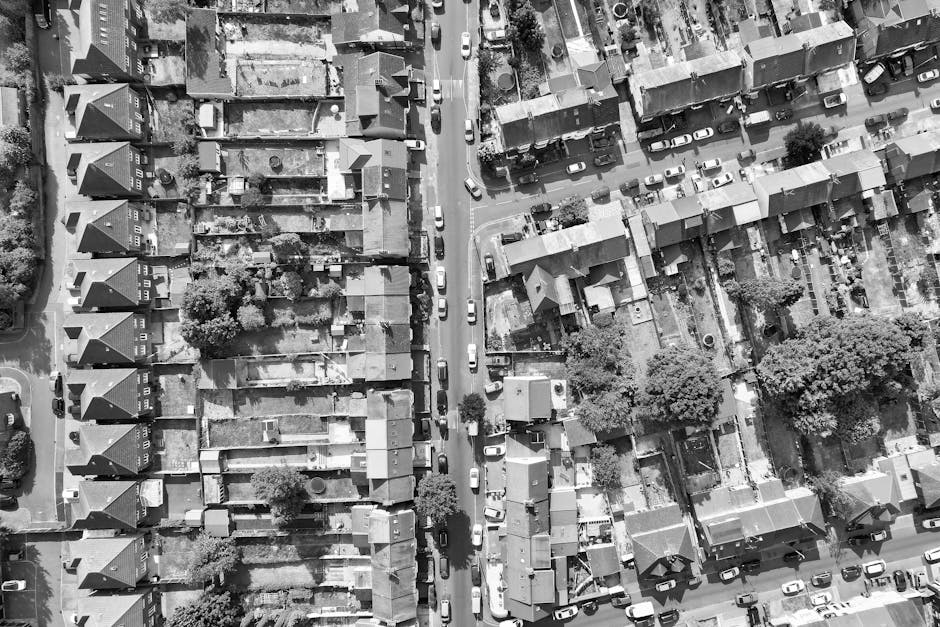
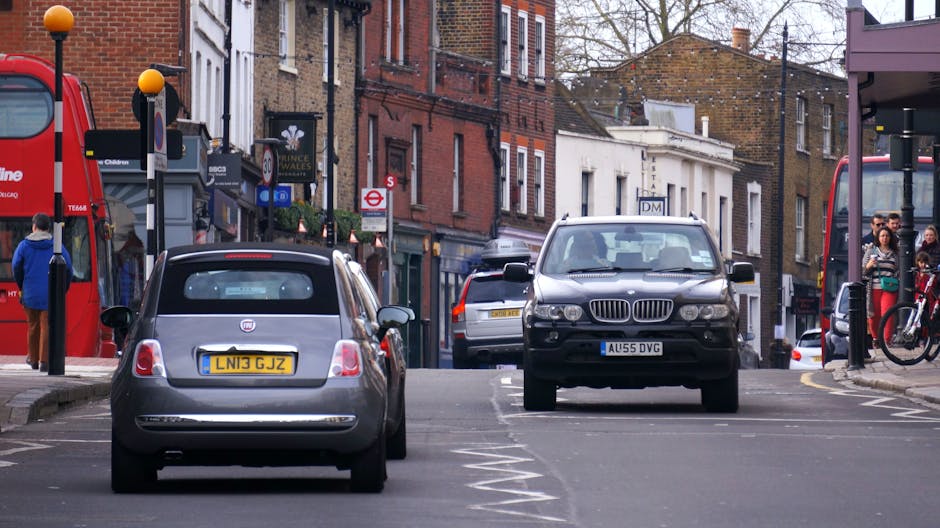
Parking issues can make a move feel much bigger than it really is. In Wood Green, the streets around flats, maisonettes, and older residential roads often leave very little margin for a removal vehicle to stop safely and legally. Add in side streets, delivery traffic, school runs, and the general London habit of leaving a car exactly where you need to be, and you have the perfect recipe for delays.
The reason this matters is simple: every extra minute spent hunting for a space can mean more carrying distance, more fatigue, and more risk of knocks to furniture or walls. That matters even more if you are moving bulky items like wardrobes, beds, sofas, fridges, or a piano. If you want a smoother process, a little street-level strategy goes a long way.
There is also a financial side to it, even if nobody likes to talk about that bit. Longer carrying distances can increase labour time, slow the van schedule, and make a supposedly quick move drag on into the afternoon. If you are planning ahead, it is worth looking at pricing and quotes early so the job is scoped sensibly rather than guessed at the last minute.
And let's be fair: narrow streets are not a rare edge case in London. They are normal. The move that feels complicated to you is often a standard day on the ground for a team that works in the area regularly.
How Parking and narrow streets: Wood Green removal hacks Works
The idea is to reduce friction before the van arrives. That means thinking through parking, loading order, walking routes, and the sequence of items that leave the property. Small changes make a massive difference.
At a basic level, the method works like this:
- Confirm the access point, road width, and likely parking space.
- Decide whether the van can stop close enough for safe loading.
- Prepare items in the order they will be carried out.
- Use the shortest, safest route from doorway to vehicle.
- Keep the van loaded in a way that avoids rehandling and wasted shuffling.
That sounds straightforward, but the detail matters. For example, if you are moving from a first-floor flat, the difference between carrying boxes down one wide staircase versus a winding narrow one is huge. The same goes for awkward furniture. If you want a better sense of how furniture handling affects the whole day, the article on moving bedroom furniture easily is a useful companion read.
The best removals teams also use a simple rule: don't block the front door with packed items, and don't let the van become a sorting area. The street may be narrow, but the process should stay calm and controlled. If it starts feeling like a game of Tetris, something has gone off plan.
Key Benefits and Practical Advantages
Using a proper narrow-street strategy gives you more than convenience. It gives you control. And when moving day gets busy, control is everything.
- Less wasted time: You spend less time circling for a space or carrying items too far.
- Lower damage risk: Shorter, cleaner carry routes mean fewer chances to scrape walls, doors, or bannisters.
- Better safety: Clear access reduces the chances of trips, strain injuries, and awkward lifts in the road.
- More predictable costs: A clearer plan helps the move run to schedule.
- Less stress: You are not trying to make decisions under pressure while everything is already half loaded.
One of the nicest side benefits is emotional, honestly. Once the parking is sorted, the whole move feels more manageable. The noise of the street fades into the background, the boxes start moving, and everyone knows what they are doing. That small sense of momentum can transform a moving day.
If you are still in the planning phase, it helps to think of parking as part of the move rather than a separate issue. That mindset alone prevents a lot of last-minute scrambling. For people who are trying to keep the whole day tidy and predictable, staying calm and collected during a house move is not just a nice idea; it is part of the job.
Who This Is For and When It Makes Sense
This approach is useful for almost anyone moving in or out of Wood Green, but some people need it more than others.
- Flat movers: Especially if you live above ground floor or on a road with limited stopping space.
- Families in terraced homes: Narrow residential roads can make large van access tricky.
- Students: Quick moves, fewer trips, and not much tolerance for parking delays. If that sounds familiar, student removals may be a helpful service option.
- Office movers: Even a modest office relocation can become chaotic if the van cannot get close enough.
- Anyone moving large items: Sofas, wardrobes, desks, exercise machines, and especially pianos.
It also makes sense when the move is time-sensitive. Same-day jobs, end-of-tenancy deadlines, and back-to-back handovers leave very little room for parking problems. In those cases, choosing same day removals in Wood Green can be a relief because timing and access planning happen together.
If your building has awkward access, shared entrances, or a long carry from the van, the method is still useful. You just plan more carefully. To be fair, that is usually the difference between a move that feels impossible and one that just feels busy.
Step-by-Step Guidance
Here is the practical version. No fluff, no dramatic language, just a workable sequence you can follow.
1. Check the street before moving day
Walk the route from the property to the nearest stopping point. Look for tight corners, low branches, parked cars, loading restrictions, yellow lines, and anything that could slow the van. If you are near a busy road, check the likely rush periods too. A quiet 9:15 a.m. can feel very different from a busy 3:30 p.m.
2. Measure the awkward bits
Doorways, stairwells, tight corners, and lift access all matter. It is surprising how often a sofa is perfectly fine in the flat but gets awkward at the hallway turn. Measuring in advance avoids that slightly miserable moment when everyone stares at the item and nobody wants to be the one who says, "We may have a problem."
3. Decide where the van can realistically stop
Sometimes the best spot is not right outside the door, but a little further along the road where there is more room to work safely. The goal is not perfection; it is a stable, sensible loading point. In a tight street, a short extra carry can be worth it if it avoids blocking traffic or getting boxed in.
4. Pack by carry order, not by room alone
Boxes for first unload should be easy to reach. Heavy furniture should be ready at the point of exit only when the route is clear. A good packing sequence matters more than people think. If you need more help on that side of things, smart packing solutions can save a surprising amount of effort.
5. Use protective materials where the route is tight
Blankets, corner protectors, and floor covers help reduce scuffs when you are turning heavy items through narrow spaces. A hallway can look fine and still be a scratch waiting to happen.
6. Keep the first load simple
Start with items that are ready and easy to move. Leave highly awkward items until the route and rhythm are established. That small discipline helps the whole job settle into a smoother flow.
7. Load the van with the next stop in mind
Good loading is not just about fitting everything in. It is about placing items in the order you will need them later. If you are unloading into a flat or multiple rooms, think ahead. What will you need first? What can stay buried a little longer?
8. Leave room for real-world delays
There is always one unexpected thing: a neighbour's car, a delivery lorry, a lifted sofa that needs rotating twice, or a brief rain shower because of course. Build a bit of slack into the plan. It makes the whole day less fragile.
Expert Tips for Better Results
Here is where the little tricks make a visible difference. Not glamorous, but very useful.
- Move in windows of quieter street activity: Early morning or mid-morning can be easier than peak school-run or commuter times.
- Have one person watching the road: If the van is reversing or loading in a narrow lane, someone needs to keep an eye on passing traffic and pedestrians.
- Stage items near the exit: Keep the hallway clear so the team can work without stopping every two minutes.
- Protect corners before the item reaches them: Prevention is faster than repair.
- Break down furniture where possible: A dismantled bed frame is far easier to manage than a whole one, which sounds obvious until you are in the middle of the move.
- Use proper lifting technique: Bend your knees, keep the load close, and don't twist under weight. If you want a more detailed look at this, the guide on handling heavy objects without help is a strong reference point.
One small but important tip: do not assume the driver can just "nudge in somewhere." In narrow streets, a questionable parking choice can create more disruption than it solves. Safer and slightly less convenient is often the better option.
If you are dealing with unusual pieces, like a piano, treat parking as part of the handling plan. The wrong approach can be costly, and honestly, it is not worth improvising with a heavyweight item. That is one reason people look at piano removals in Wood Green rather than trying to wing it.
Common Mistakes to Avoid
Most problems in narrow streets are predictable. The good news is that they are also avoidable.
- Leaving parking to the last minute: This creates panic and usually worse choices.
- Underestimating carrying distance: Fifteen extra metres does not sound like much until you have done it ten times.
- Blocking the road without a plan: That can upset neighbours, slow the move, and create safety issues.
- Trying to move everything at once: It is tempting. It is also how mistakes happen.
- Ignoring stairs and corners: Furniture rarely behaves well in tight spaces.
- Skipping insurance and safety checks: Always worth confirming that everyone involved understands the cover and process.
Another common one is assuming a small van automatically solves the access problem. Sometimes it helps, yes. But if you still cannot stop close to the property, the smaller vehicle only reduces one part of the challenge. It doesn't magically delete the street.
For a more structured moving mindset, the guide on decluttering before a move is worth a look. Less stuff means fewer lift cycles, fewer route issues, and fewer moments of regret when you spot that old box of cables you never needed in the first place.
Tools, Resources and Recommendations
You do not need a warehouse full of gear, but a few basic tools make narrow-street removals much easier.
| Tool or resource | Why it helps | Best used for |
|---|---|---|
| Furniture blankets | Protects items and doorframes | Sofas, tables, wardrobes |
| Moving straps | Helps distribute weight more safely | Heavy boxes, white goods |
| Dolly or sack barrow | Reduces manual carrying | Boxes, appliances, stacked loads |
| Corner guards | Prevents scuffs in tight routes | Hallways and stair turns |
| Well-labelled boxes | Makes loading and unloading faster | Whole-home moves |
For storage or overflow items, a local storage option can take pressure off a narrow-street move, especially if access is split across different times of day. If you need that kind of flexibility, storage in Wood Green can be part of a smarter moving plan.
And if you are still weighing service options, the broader services overview page can help you match the job to the right level of support. Some moves need a simple van and a few hands. Others need far more coordination.
Law, Compliance, Standards, or Best Practice
Parking and access planning is not just about convenience. It also touches on local parking rules, road safety, and a general duty of care to residents, pedestrians, and road users. The exact rules vary by street and local authority arrangement, so it is wise to check restrictions carefully rather than assuming stopping is allowed because it looks possible.
Good practice usually includes the following:
- avoiding unsafe loading or unloading positions;
- keeping access routes as clear as possible;
- using appropriate lifting and moving methods;
- taking care not to block neighbours, driveways, or emergency access;
- making sure the move is organised in line with the mover's safety procedures.
If you are hiring a professional team, ask how they handle access planning, vehicle positioning, and item protection. A trustworthy operator should be happy to explain their process in plain English. You can also review their general policy pages, including health and safety policy, insurance and safety, and terms and conditions before moving day.
One practical note: if a road is too tight for safe parking right outside the property, the better answer is often a short walk with well-managed loading rather than forcing a risky vehicle position. That is not being overly cautious. That is just sensible.
Options, Methods, or Comparison Table
Different moves call for different setups. Here is a simple comparison to help you think it through.
| Method | Best for | Pros | Trade-offs |
|---|---|---|---|
| DIY with a hired van | Small loads, flexible schedules | Lower upfront spend, simple if access is easy | You manage parking, loading, and risk yourself |
| Man and van | Medium moves and tricky access | Good balance of support and cost | May still need careful parking planning |
| Full removals team | Large homes, heavy furniture, tight streets | More hands, better coordination, less stress | Usually the more comprehensive option |
| Split move with storage | Staged handovers or access delays | Great for awkward timing and oversize loads | Requires extra planning |
For many Wood Green moves, the sweet spot is a coordinated vehicle plus a team used to local streets. If the move includes a lot of furniture, furniture removals in Wood Green usually makes more sense than trying to juggle the whole thing casually.
If the home itself is a flat with limited access, flat removals in Wood Green can be a better fit because the service is built around the very access issues that trip people up.
Case Study or Real-World Example
Picture a typical move from a two-bedroom flat on a narrow residential street in Wood Green. The van cannot stop directly outside because half the road is already occupied and there is a tight bend. If you try to wing it, you end up with repeated short carries, one person waiting with boxes, and someone else trying not to bump a chest of drawers on the kerb. Not ideal.
Now compare that to a move that has been planned properly. The team checks the road in advance, picks a safe stopping point, and stages the heaviest items near the exit first. The hallway stays clear. Boxes are labelled in a way that matches the loading order. The van is packed so the first items needed at the destination come out fast. The result? Fewer stops, fewer awkward turns, and a day that feels manageable instead of messy.
That kind of difference sounds small on paper. In real life, it is the difference between a move that ends in a decent lunch and a move that ends with everyone staring into space over a lukewarm tea. Been there, sadly.
If the move involves tricky items or unusual access, it can be worth speaking with a team that knows the area and the practical side of removals. You can learn more about the business and approach on the about us page, or compare wider support via removal services in Wood Green and man and van in Wood Green.
Practical Checklist
Use this before the van arrives. It keeps the move grounded.
- Confirm the move date and arrival time.
- Walk the parking route and note any tight spots.
- Check for restrictions, access issues, or likely congestion.
- Measure large furniture and tricky doorways.
- Label boxes by room and priority.
- Set aside items you need first at the destination.
- Protect floors, corners, and stair edges.
- Decide who will guide the van if visibility is limited.
- Keep pathways clear inside the property.
- Separate valuables and essentials so they travel safely with you.
- Review safety, insurance, and service terms before moving day.
- Have water, chargers, and a quick snack ready. Small thing, big help.
Expert summary: the best Wood Green removal hack is not a clever gadget. It is simple planning: know where the van can stop, reduce carry distance, and prepare the inside of the property so the team can move continuously. That is what keeps a tight-street move calm.
Conclusion
Parking and narrow streets can make a local move feel daunting, but they do not have to derail the day. Once you break the job into access, loading, and timing, it becomes much easier to manage. The real win is not speed for its own sake. It is fewer surprises, safer handling, and a smoother flow from start to finish.
If you are planning a move in a tricky Wood Green street, use the space you do have wisely, keep the route clear, and choose support that understands the practical side of moving in London. Whether you need help with a small flat, a family home, or a more delicate item, the right preparation changes everything.
Get a free quote today and see how much you can save.
And if you want to talk through access, timing, or a move that needs a bit more thought than usual, you can always use the contact page. Sometimes a short conversation is all it takes to turn a stressful plan into a manageable one.
Frequently Asked Questions
What is the best way to handle parking on a narrow Wood Green street during a move?
The best approach is to check the street in advance, identify a safe stopping point, and plan the carry route before the van arrives. If the road is especially tight, a short walk from the vehicle is usually better than forcing an unsafe park.
Can a removal van stop outside my flat in Wood Green?
Sometimes yes, sometimes no. It depends on the street layout, existing parked vehicles, and any local restrictions. A good removals plan should not rely on being directly outside the door unless that is genuinely realistic.
Are narrow streets a problem for all removals?
Not always. Small moves can be straightforward, but larger homes, bulky furniture, and multiple floors increase the difficulty. The narrower the access, the more helpful careful planning becomes.
Should I book a man and van or a full removals service for a tight street?
If the move is small and simple, a man and van can work well. If you have heavy furniture, lots of boxes, or awkward access, a fuller removals service is often the safer and less stressful choice.
How early should I plan parking for moving day?
As early as possible. Even a quick walk around the street the day before can reveal problems you would not spot from memory. That little bit of effort saves a lot of confusion later.
What should I do if another car is parked in the only sensible loading spot?
Have a backup plan. Use the nearest safe alternative rather than waiting and hoping. Moves run better when everyone knows the second-best option in advance.
Do I need special equipment for moving on narrow streets?
Not always, but furniture blankets, straps, a sack barrow, and corner protection can make a big difference. They help reduce strain and keep items safe when the route is tight.
Is it risky to move large furniture in a narrow hallway and street on the same day?
It can be if the route is not planned carefully. The street access and the internal access both matter. If either one is awkward, it is worth slowing down and preparing properly.
How can I make moving day less stressful in a busy London area like Wood Green?
Declutter first, label boxes clearly, keep walkways clear, and arrange the parking plan before the van arrives. A well-ordered move always feels calmer, even when the street is busy.
What if my move includes something heavy or awkward, like a piano?
Do not improvise. Heavy or delicate items need specialist handling, especially where access is tight. It is much safer to speak with a team that is used to that kind of work.
Can storage help if parking is difficult on moving day?
Yes. If you need to split the move into stages or reduce how much has to leave the property at once, storage can take the pressure off. That can be especially helpful when access is limited.
Where can I find more advice on moving furniture safely?
Helpful related reading includes moving bedroom furniture safely and managing heavy objects without help. Both cover practical handling ideas that pair well with narrow-street planning.
How do I know if my move needs professional help?
If parking is tight, the furniture is bulky, or the timing is fixed, professional help is usually worthwhile. It is less about luxury and more about avoiding avoidable stress. Sometimes that is just common sense, really.