Wood Green tube station access insider tips for removals
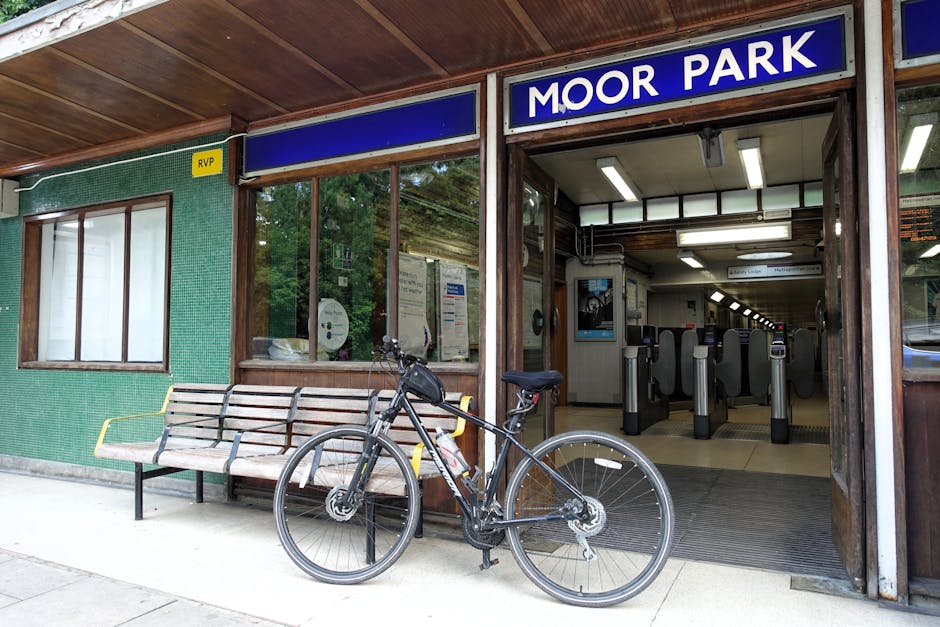
Moving near a busy Underground station can feel a bit like trying to thread a sofa through a needle. If you are planning a removal around Wood Green tube station, the access details matter just as much as the packing tape, because one awkward turn, one blocked bay, or one rushed unloading job can throw the whole day off. This guide gives you clear, local, practical Wood Green tube station access insider tips for removals so you can plan smarter, reduce stress, and avoid the sort of delays that make everyone in the van go quiet.
Whether you are moving a flat above the High Road, relocating a small office, or using a man and van for a quick load, the same rules apply: know the approach, check the timing, and plan for the realities of central Wood Green traffic. A little preparation goes a long way. Honestly, it saves arguments later.
In the sections below, you will find how access around the station works in practice, what usually causes problems, which removal method fits different situations, and a few insider-style tips that make moving day feel much more manageable.
Why Wood Green tube station access matters
Wood Green tube station sits in a lively, tightly used part of North London, which means access is rarely just about the front door. You are usually dealing with a mix of pedestrians, buses, narrow streets, delivery vehicles, side roads, flats over shops, and the everyday stop-start rhythm of the High Road. For removals, that creates two basic challenges: where the vehicle can stop, and how quickly you can move items safely between property and van.
That matters because removals are time-sensitive. When a van cannot get close enough, moving a wardrobe or a stack of boxes becomes slower, riskier, and more tiring. If you are trying to move during a peak commuter period or when the area is especially busy, even a small access issue can snowball. The driver circles. The carrying distance increases. Someone starts sweating through a doorway that seemed fine in the morning. It happens.
This is why access planning should sit at the very top of your moving checklist. Not after boxes are packed. Not after you have already booked the van. Before that. In our experience, the moves that go smoothly around station-adjacent areas are usually the ones where someone has simply asked the right questions early.
If you are comparing moving support, the broader service pages can help you understand what sort of team or vehicle you need. For example, removals is useful if you want a general moving solution, while house removals suits domestic moves with more furniture, boxes, and handling requirements. For smaller jobs, the flexibility of a moving van can be a better fit than bringing in something too large for the streets nearby.
How Wood Green tube station access insider tips for removals works
There is no single magic trick here. Good access around Wood Green tube station is usually the result of several small decisions done properly. Think of it as a chain: booking, timing, approach route, parking, loading, and building access. If one part fails, the rest slows down.
1. Map the approach before moving day
Start by identifying the actual route your vehicle will take to the property, not just the postcode. The shortest route on a map is not always the easiest route for a removal van. One-way sections, busier turns, or streets with tight junctions can add stress fast. A driver familiar with North London will often spot a better approach street than someone looking at a screen from the sofa.
2. Decide where the van can stop
Stopping near the station area is often the real issue, not driving there. You need a place where the vehicle can legally and safely pause long enough for unloading. If there is no obvious bay or loading space, the carry distance from van to property grows. That may be fine for a few bags, but not ideal for bulky furniture. The difference between five metres and fifty metres is huge on moving day.
3. Choose the right size vehicle
Not every move needs a full removal truck. In a busy area like this, a smaller vehicle can sometimes be more efficient because it is easier to position, easier to park, and less likely to get stuck behind traffic. A larger vehicle is useful if you have a lot of furniture, but if access is awkward, the extra size may create more hassle than value.
4. Time the move around traffic and footfall
Wood Green is not a sleepy side street. Morning and late-afternoon periods can be more demanding, and station activity adds to the mix. If your schedule allows, try for a quieter window. That extra breathing room can reduce pressure at doors, crossings, and loading points. It also helps when your building has shared access.
5. Think about building access as well as street access
A good street approach can still be undone by a narrow staircase, awkward lift, or strict entry time at the property. Check whether the building requires a fob, whether a lift is bookable, and whether there is a back entrance that makes carrying easier. It sounds obvious, but people forget it all the time.
If you want a team that can handle both the road and the property side of the move, man with van and man with van removal services can be a practical middle ground between DIY and a full-scale removals crew. And if the job is more demanding, removal services may be the safer choice.
Key benefits and practical advantages
Once access is planned properly, the benefits show up very quickly. Not in theory. In the first few minutes on the day.
- Less walking distance: the van is positioned closer, so each item takes less time to move.
- Lower damage risk: shorter carry distances mean fewer bumps, drops, and corner scrapes.
- More efficient labour: the team spends time lifting, not waiting for the driver to reposition.
- Less disruption to neighbours: quick, organised loading creates less noise and congestion.
- Better protection for fragile items: your glass, mirrors, and electronics benefit from fewer handling stages.
- More realistic time estimates: access-aware planning means your schedule is closer to what actually happens.
There is another benefit people often miss: calmer decision-making. If the access plan is sorted, the move feels less chaotic. You can focus on what is going into the van rather than who is blocking the road or whether the trolley will fit through the door. That reduction in mental noise is no small thing.
For households, the practical gain often comes down to moving less in less time. For businesses, it is about keeping people and equipment moving without a long interruption. If you are shifting desks, stock, or filing systems, a well-chosen office removals service can reduce downtime and avoid last-minute scrambles. For a larger business move, commercial moves is the better fit.
Expert summary: Near Wood Green tube station, the winning formula is usually not a bigger van. It is a smarter stopping point, a quieter time slot, and a team that already understands how local access behaves in real life.
Who this is for and when it makes sense
This guidance is most useful if your property sits within walking or driving distance of Wood Green tube station, or if your move passes through that area on the way in or out. But it is not only for people right next to the station. Even if you are a few streets away, the station area can influence route choice, parking, and timing.
It makes sense for:
- flat moves above shops or restaurants
- student or shared-house removals
- family moves with heavy furniture
- small office or studio relocations
- single-item collections where parking still matters
- older buildings with tight hallways or awkward stairwells
If you are doing a very small move, a flexible man and van removals setup is often enough. If you are moving a full house, you will probably want a more structured plan and maybe a bigger vehicle. Truth be told, many people start by thinking they need the largest possible van, then realise the access is the real constraint, not the volume.
For people relocating furniture only, a service such as furniture pick up can be a simple solution, especially if the item is bulky and you would rather not wrestle it through a crowded station-side street yourself.
Step-by-step guidance
Here is the straightforward way to approach a removal near Wood Green tube station without making it harder than it needs to be.
- Confirm the property access details. Ask about stairs, lifts, entry codes, loading access, and any restrictions on vans or lorries.
- Check the likely stopping point. Work out where the vehicle can pause safely and whether that spot is realistic at the time of day you need.
- Choose the right vehicle size. A van that is too large can become a parking problem; one that is too small means repeat trips.
- Pack in load order. Put the earliest-needed items and fragile items in a sensible sequence so they are easy to reach.
- Protect high-risk items. Wrap mirrors, TVs, and table corners. A quick wrap now can save a much bigger headache later.
- Keep a clear path inside. Hallways and landings get congested fast. Leave boxes out of walkways where possible.
- Plan for one carry route, not three. Decide the exact way items will move from room to van before lifting starts.
- Allow a buffer. In a busy area, things rarely run precisely to the minute. Give yourself breathing room.
If packing feels like the part that always gets pushed to the last evening, you are not alone. A lot of people do that. But if you want the move to be smooth, consider support from packing and unpacking services. It can remove one of the biggest sources of last-minute stress, especially for families and busy professionals.
For more hands-on handling, you may prefer a removal van or even removals van depending on the job size and the amount of furniture.
Expert tips for better results
These are the small things that tend to make a noticeable difference near Wood Green tube station. Nothing dramatic. Just the sort of practical detail that separates a stressful move from an organised one.
Tip 1: Avoid stacking your schedule too tightly
If your keys, van arrival, and lift booking all sit back-to-back, one delay can cause a chain reaction. Leave at least a little slack. Not a whole afternoon, just enough to avoid panic if the first trip takes longer than expected.
Tip 2: Put the heaviest items nearest the exit
Big furniture should not be buried behind dozens of boxes if you can avoid it. When the loading point is close, that first heavy run should be quick and controlled. It helps the rhythm of the move feel manageable.
Tip 3: Use a trolley where the surface allows it
A sack truck or furniture trolley can save effort, but only if the pavement and doorway access allow it safely. Cobbles, steps, or tight turns can make a trolley awkward. Sometimes carrying by hand is actually cleaner.
Tip 4: Be honest about what you can lift
This sounds basic, but people regularly underestimate the size of wardrobes, sofas, and white goods. If something feels borderline, treat it as borderline. Better to ask for help than to discover halfway down a staircase that your estimate was optimistic. Slightly optimistic. Very slightly.
Tip 5: Keep one person focused on access
On move day, one person should ideally watch the route, doors, and van position while others handle packing and carrying. That avoids confusion and stops everyone asking three questions at once. A quiet, steady lead person helps more than you might think.
If you are comparing providers, take a look at movers or removal company pages to understand the kind of support available for different move sizes. And if you are moving on a tighter budget, checking pricing and quotes can help you compare options without guesswork.
Common mistakes to avoid
Most access problems near station areas are not mysterious. They are avoidable. Here are the ones that come up again and again.
- Booking the wrong vehicle size: too large creates parking pain, too small creates extra trips.
- Ignoring loading restrictions: assuming you can stop anywhere is a classic way to lose time.
- Forgetting about the building layout: narrow stairs and awkward entrances matter just as much as the street outside.
- Trying to move at the busiest time: traffic and footfall can slow everything down.
- Not protecting fragile items: one corner knock is all it takes.
- Leaving packing until the last minute: nobody enjoys that final hour. Nobody.
- Not measuring large furniture: a sofa that will not clear a stair turn is a miserable surprise.
There is also a subtler mistake: assuming all removals are the same. A flat move near Wood Green station is not the same as a suburban house move with a wide driveway. If you want the right fit, think about the route and the building before anything else. The vehicle is only one part of the puzzle.
Tools, resources and recommendations
You do not need a huge toolkit, but a few practical items make a real difference.
- Furniture blankets for tables, wardrobes, and polished surfaces
- Strong tape and labels so boxes stay organised
- Gloves with a proper grip for carrying heavy items safely
- Sack truck or trolley if the surfaces and access allow it
- Door protectors or blankets for shared hallways and tighter entry points
- Basic measuring tape to check awkward furniture against door widths and stair landings
When the job is more involved, a structured removal option can be worth it. Removal services are useful if you want support that goes beyond transport alone. For full domestic support, home moves and house movers are worth exploring. If you prefer a more specific household moving team, house removalists can also be a strong option.
It is also sensible to check policy and trust pages before booking any moving help, especially if you value safe handling and clear terms. Pages like health and safety policy, insurance and safety, terms and conditions, and recycling and sustainability can help you understand how a company works and what standards it claims to follow.
Law, compliance, standards and best practice
For removals near Wood Green tube station, the main compliance issues are usually practical rather than complicated. You are typically dealing with parking rules, access permissions, safe lifting, and making sure you do not block other road users or pedestrians. The exact local restrictions can vary by street and time of day, so it is wise to check the current situation before moving day rather than assuming last month's arrangement still applies.
Good removal practice in the UK usually includes:
- safe and reasonable manual handling
- clear communication about access limitations
- care around entrances, lifts, stairwells, and shared spaces
- appropriate insurance cover for the job
- respect for neighbours, businesses, and the public footway
If you are moving commercial equipment or sensitive office items, standards of care become even more important. For that reason, it is sensible to use a provider with clear working practices, especially where time pressure and access restrictions meet. That mix can get messy quite quickly.
It is also worth checking how the company handles payments, complaints, and privacy. Those details do not sound exciting, granted, but they are part of a trustworthy service. Relevant pages such as payment and security, complaints procedure, and privacy policy help set clear expectations. If you need accessible information, the accessibility statement is useful too.
Options, methods and comparison table
Choosing the right move style depends on your access, your load, and how much hands-on help you want. The table below keeps it simple.
| Option | Best for | Access advantage | Main drawback |
|---|---|---|---|
| Man and van | Small to medium moves, quick jobs, flexible timing | Easier to position near tight streets and station-side roads | May need more trips for larger homes |
| Removal van | General house or flat removals | Good balance of size and manoeuvrability | Access still needs planning in busy areas |
| Moving truck | Larger household or commercial moves | Useful for bigger loads if stopping space is available | Harder to park close to constrained access points |
| Full removal company | Heavier, more complex, or higher-value moves | More structured handling and planning support | Often more involved than a simple point-to-point job |
For some readers, the answer is simple: use the smallest practical vehicle that still safely fits the load. For others, especially when furniture is bulky or the building access is awkward, the extra help of removal company support is worth it. If your move is especially heavy or multi-stop, removal truck hire may suit you better.
Case study or real-world example
Here is a realistic example from the kind of move people often face around Wood Green station. A one-bedroom flat move was planned for a weekday morning. The property was above a shop, the stairwell was narrow, and the street outside was busy with short-stay traffic. Nothing dramatic, just a very normal London moving day.
The first idea was to book a larger vehicle, thinking it would solve everything in one go. But once the access was looked at properly, that plan felt clumsy. The better option was a smaller van, an earlier arrival, and a clear carry route from the property entrance to the loading point. The load included a bed frame, a compact sofa, clothes rails, boxes, and a few kitchen items.
What made it work was not luck. It was the access planning:
- items were pre-labelled so the load order was obvious
- the driver knew where stopping would be easiest
- fragile boxes were separated before any lifting began
- the team kept the hallway clear
- the move finished before the area became busier later in the morning
The result was a calm move with no dramatic backtracking. No heroics. No last-minute wrestling match with the sofa. Just a sensible setup and a bit of local awareness. Sometimes that really is the difference.
Practical checklist
Use this checklist the day before, or even the week before if you can.
- Confirm move date and arrival time
- Check building access, entry codes, and lift arrangements
- Identify the nearest safe stopping point for the van
- Measure large furniture and awkward items
- Label boxes by room and priority
- Pack fragile items separately
- Protect floors, corners, and door frames where needed
- Keep walkways clear inside the property
- Plan who is guiding the vehicle and who is carrying items
- Allow extra time for station-area traffic and footfall
- Review service details, insurance, and terms before the day
- Have keys, phone, charger, and paperwork easy to reach
If you want a simpler route from planning to booking, you can also review removals near me for a broader local service starting point. That can be a practical way to narrow down the right support when time is tight.
Get a free quote today and see how much you can save.
Conclusion
Moving near Wood Green tube station is manageable when you treat access as part of the move, not a side issue. The streets are busy, the stopping space can be tight, and building layouts often matter more than people expect. But with a clear route, the right vehicle size, realistic timing, and a few practical safeguards, the whole day becomes easier to handle.
The big takeaway is simple: plan for the approach, not just the destination. That one shift in thinking usually saves time, reduces stress, and protects your belongings. And if you are still at the comparison stage, it is worth choosing a service that matches your load, your building, and your schedule instead of forcing a one-size-fits-all solution.
Do that, and you are already ahead of the game. A calm move is a better move, full stop.
Frequently Asked Questions
How do I plan removals near Wood Green tube station?
Start with access: check where the van can stop, how far the carry will be, and whether your building has stairs, lifts, or restricted entry times. Then choose the right vehicle size and move time.
Is a man and van enough for a move near Wood Green station?
Often, yes, for small flats, partial moves, or single-item collections. If you have a larger household load, a bigger vehicle or fuller removal support may be more suitable.
What is the biggest access problem around station-area removals?
Parking and stopping space are usually the biggest issues. Even if the vehicle can reach the area easily, finding a legal and practical place to pause can be the real challenge.
Should I book a larger vehicle just in case?
Not always. A larger vehicle can make parking and manoeuvring harder in tight areas. It is often better to choose the smallest vehicle that still safely handles your load.
When is the best time to move near Wood Green tube station?
Usually when the area is quieter and there is less pressure on roads and pavements. Mid-morning or off-peak periods can be easier than commuter-heavy times, depending on the specific street.
What should I tell the removal team before moving day?
Tell them about stairs, lift access, parking limits, entry codes, large furniture, fragile items, and any narrow turns or difficult hallway layouts. The more accurate the detail, the smoother the move.
Can removal services help with packing too?
Yes, some can. If packing is the part you are dreading, packing and unpacking services may save time and reduce the chance of last-minute chaos.
What if my sofa or wardrobe will not fit through the stairwell?
Measure it first if you can. If it is borderline, tell the mover in advance so they can advise on handling, disassembly, or whether another route is possible.
Do I need a removal company for a small flat move?
Not necessarily. Smaller moves often work well with man and van or moving van support, provided the access is straightforward enough.
How do I avoid delays on moving day?
Prepare the access plan early, pack ahead of time, keep the route clear, and build in a little spare time. Small delays are normal; the point is to stop them becoming big ones.
Are there special safety concerns when moving near a busy tube station?
Yes. There can be more pedestrians, more traffic, and less room for error. Safe lifting, clear communication, and careful positioning of the vehicle are all especially important.
Where can I check company policies before booking?
You can review pages such as about us, health and safety policy, insurance and safety, and terms and conditions to understand how the service operates and what standards it follows.
When the moving day comes around, a little local knowledge and a calm plan can make all the difference. Keep it simple, keep it realistic, and give yourself room to breathe. That is usually how the best moves start.