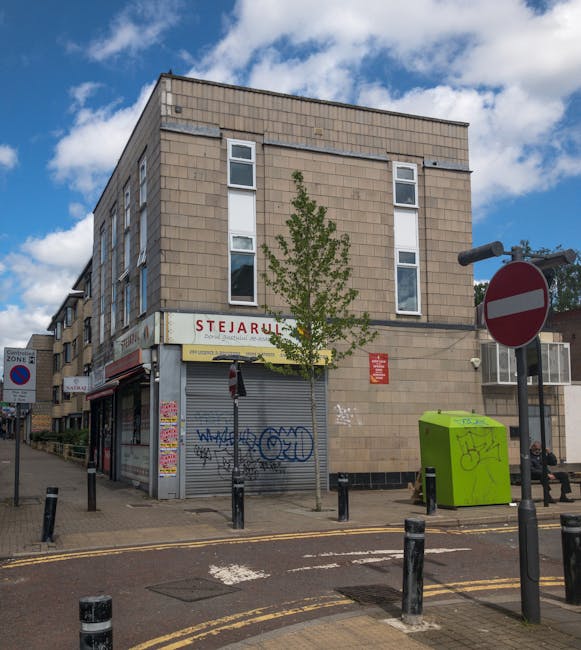
Flat moves near Turnpike Lane: Wood Green experts
Moving out of a flat near Turnpike Lane can feel deceptively simple at first. It's "just a few rooms", right? Then the box pile grows, the lift feels too small, the sofa won't turn in the hallway, and suddenly the whole thing needs a calm plan. That is exactly where Flat moves near Turnpike Lane: Wood Green experts make a difference. With the right local know-how, a flat move becomes less about scrambling on the day and more about moving in a way that protects your belongings, your back, and your sanity.
In this guide, we'll walk through how flat removals in this part of North London actually work, what to expect from a good team, and how to avoid the common traps that turn a straightforward move into a long, noisy headache. You'll also find practical tips, a comparison table, and a checklist you can use before moving day. Little things matter here. They really do.
Table of Contents
- Why Flat moves near Turnpike Lane: Wood Green experts Matters
- How Flat moves near Turnpike Lane: Wood Green experts Works
- Key Benefits and Practical Advantages
- Who This Is For and When It Makes Sense
- Step-by-Step Guidance
- Expert Tips for Better Results
- Common Mistakes to Avoid
- Tools, Resources and Recommendations
- Law, Compliance, Standards, or Best Practice
- Options, Methods, or Comparison Table
- Case Study or Real-World Example
- Practical Checklist
- Conclusion
- Frequently Asked Questions
Why Flat moves near Turnpike Lane: Wood Green experts Matters
Flat moves in and around Turnpike Lane are not the same as a standard house move. You may be dealing with shared entrances, stairwells, narrow corridors, basement access, parking restrictions, timing windows, and neighbours who quite understandably do not want a Monday morning din. Add in awkward furniture and a stack of boxed-up life admin, and the move becomes more logistical than physical.
This is where local experience matters. A team familiar with Wood Green and the surrounding streets usually understands the flow of the area better than a generic out-of-town crew. That means they can plan around access issues, use the right vehicle size, and load in a sensible order. It sounds basic, but honestly, those basics save time and prevent damage.
There's also a trust factor. You are letting someone handle your furniture, your boxes, and sometimes the things you use every day without thinking about them. A good removals team should feel organised, careful, and easy to talk to. If you want to learn more about the company behind this local service, you can visit the about us page for background on their approach.
Expert summary: Flat moving near Turnpike Lane works best when local access knowledge, careful packing, and realistic timing come together. If one of those is missing, the whole day feels harder than it should.
How Flat moves near Turnpike Lane: Wood Green experts Works
A well-run flat move usually follows a clear sequence. First comes the assessment. This may be a quick conversation about your property, the size of the move, whether you have lifts or stairs, and whether anything needs special handling. Then comes the planning stage, where transport size, loading order, and timing are mapped out.
On moving day, the team arrives, checks access, protects surfaces if needed, and starts with the items that fit the route best. Heavy pieces such as wardrobes, mattresses, or sofas are moved with the right lifting method and equipment. If you want a deeper look at safe handling, the blog on moving heavy objects safely is a useful read, especially if you are tackling part of the move yourself.
Flat moves are often about sequence rather than strength. For example, taking the wrong item out first can block the hallway. Taking the right item out first can make the rest of the job feel half as long. Strange how that works, isn't it?
Once items are loaded, they are secured in the van to reduce movement in transit. At the new address, the process runs in reverse, with larger items usually placed first so your essentials can be unpacked without a maze of boxes in the way.
For many customers, this process is smoother when supported by a service tailored to smaller residential moves such as flat removals in Wood Green, especially if the move involves tight access or limited parking.
Key Benefits and Practical Advantages
There are several clear benefits to using experienced flat movers near Turnpike Lane. Some are obvious. Some only become obvious after you've tried to do it the hard way.
- Better protection for furniture - Corners, door frames, and polished surfaces are less likely to get chipped or scraped.
- Less physical strain - Heavy lifting is handled by people who do it regularly, using sound technique.
- Faster loading and unloading - A planned move usually takes less time than a rushed one.
- Local access knowledge - Helpful when streets are busy, parking is awkward, or access is tight.
- Lower stress - You can focus on keys, utilities, inventory, and the hundred little things that always pop up.
There's also a practical benefit people sometimes overlook: decision fatigue drops when the move is handled by a team that knows what it is doing. No endless back-and-forth about which box should go where. No last-minute panic because the sofa won't fit through the stairwell. That alone can make the whole day feel much more manageable.
If you are comparing full support with more hands-on help, it can be useful to review the broader removal services in Wood Green so you can match the service level to the size and complexity of your move.
Who This Is For and When It Makes Sense
Flat moving support near Turnpike Lane makes sense for quite a wide range of people. It is not only for large moves or luxury furniture. In fact, some of the most sensible uses are the small, awkward, everyday ones.
You might benefit from this service if you are:
- leaving a one-bedroom or two-bedroom flat
- moving into or out of a conversion with narrow stairs
- rearranging furniture after a renovation or redecoration
- moving on a tight schedule between tenancy dates
- trying to avoid damage to walls, floors, or rental fixtures
- handling bulky items without the help of friends who may be busy, late, or mysteriously unavailable at moving time
Students often fall into this category too, particularly when they are moving between shared accommodation and need a simple, efficient service. If that sounds familiar, the student removals page may be useful.
It can also make sense if you have only a few items but those items are awkward or fragile. A good example is a flat move that includes a sofa, a bed frame, a freezer, and a couple of tall storage units. On paper it is a "small move". In reality, it is a coordination job.
Step-by-Step Guidance
A flat move goes more smoothly when you break it down into stages. No drama, no mystery, just a bit of structure.
- Walk through the flat and identify what is going. Be honest. That chair you've been "meaning to fix" for two years may not need to come with you.
- Measure large items and access points. Check lifts, stair turns, door widths, and any awkward corners.
- Declutter before you pack. This reduces volume and prevents you from paying to move things you no longer want. The decluttering guide gives a practical starting point.
- Pack room by room. Keep similar items together and label boxes clearly.
- Prepare fragile and specialist items. Wrap mirrors, lamps, glassware, and electronics with care. For more practical packing advice, see the article on smart packing solutions.
- Reserve lift access or parking if needed. If your building or landlord has rules, sort them early.
- Load the van in a sensible order. Larger, sturdier items usually go in first; fragile boxes should be secured last in a stable position.
- Unpack essentials first. Kettle, toiletries, chargers, bedding. You know the drill.
A quick note here: if you are also cleaning as you go, don't leave that until the final ten minutes. The guide to move-out cleaning tips is a handy companion piece if you want to avoid a rushed end-of-tenancy scramble.
Expert Tips for Better Results
These are the small details that tend to separate a smooth move from a stressful one.
- Start earlier than you think. Packing always takes longer than the first estimate. Always.
- Keep one clear path through the flat. It sounds obvious, but a corridor full of boxes slows everything down.
- Use consistent labels. "Kitchen - fragile" is better than "misc 2" written in a hurry.
- Wrap furniture corners before moving day. This is especially helpful for door frames and stair rails.
- Protect mattresses and soft furnishings. If items are going into storage or transit for longer than a quick local hop, the advice in couch care for long-term storage is worth borrowing.
- Keep valuables and documents separate. Passports, tenancy paperwork, keys, and chargers should travel with you, not in the back of the van.
- Check the weather. A wet London morning changes everything a bit. Wet floors and damp cardboard are not a fun mix.
One practical tip that often gets overlooked: take a quick photo of cable setups before unplugging them. It saves time later and can stop that "why won't this TV work?" moment that seems to arrive right when everyone is tired.
If your move includes heavier household pieces, it may also help to read about moving bedroom furniture safely or the article on modern lifting techniques. Those guides are useful if you like to understand the mechanics, not just the outcome.
Common Mistakes to Avoid
Flat moves are full of tiny mistakes that don't look serious until they pile up. Here are the most common ones.
- Underestimating access problems - A flat on the third floor with a narrow stairwell can take far more care than expected.
- Packing too late - Last-minute packing usually means poor labelling, mixed items, and broken glassware.
- Ignoring furniture measurements - A sofa may fit the van but still fail at the hallway corner.
- Using flimsy boxes - Overfilled or weak boxes tear at the worst possible moment. It's almost theatrical.
- Not checking building rules - Some blocks require booking lift time or protecting shared areas.
- Leaving cleaning and final checks until the end - This causes unnecessary rush and missed items.
- Trying to lift something beyond your comfort zone - One awkward lift can set back the whole move, or worse.
To be fair, most of these mistakes happen because people are trying to be efficient. But efficiency without sequence is just speed wearing a costume. A bit dramatic, maybe, but true.
Tools, Resources and Recommendations
You do not need a warehouse of equipment to move a flat well. A few practical tools go a long way.
- Strong removal boxes for books, kitchenware, and mixed household items
- Packing tape and labels to keep box contents organised
- Bubble wrap or paper wrap for fragile items
- Furniture blankets to reduce scuffs and knocks
- Straps or tie-downs to stabilise items in transit
- Gloves and supportive footwear to improve grip and reduce slipping
If you still need boxes or wrapping materials, the packing and boxes service is a sensible place to start. For moves that need a smaller vehicle or a quick local response, a man and van in Wood Green can be a practical fit. If you want a fuller picture of vehicle options, the page on removal vans in Wood Green is also helpful.
Some people prefer to handle part of the process themselves and get support only for the heavy or awkward items. That can work well. The key is to match the tool to the job, not the other way around.
Law, Compliance, Standards, or Best Practice
For most flat moves, the practical side matters more than legal complexity, but a few best-practice points should always be taken seriously.
First, building access rules matter. If your block has lift booking, loading bay restrictions, or management instructions, follow them. It avoids conflict and protects shared areas. Second, movers should take reasonable care with your items and the property they are working in. That includes using sensible lifting methods, protecting surfaces where appropriate, and loading securely.
If you are hiring a removals provider, it is reasonable to ask about insurance, safety procedures, and how they handle claims or complaints if something goes wrong. A clear insurance and safety page can give you extra peace of mind, and good operators usually explain things plainly rather than hiding them in jargon.
You may also want to review the company's health and safety policy if you are comparing providers. It gives a useful signal about how seriously they take careful handling and worksite safety. For broader terms, a transparent terms and conditions page is another basic trust check.
In short: ask questions, expect clarity, and do not assume. A little due diligence goes a long way.
Options, Methods, or Comparison Table
Different flat moves need different levels of support. Here is a simple comparison to help you choose the right approach.
| Option | Best for | Strengths | Limitations |
|---|---|---|---|
| DIY flat move | Very small loads and flexible schedules | Lower upfront cost, full control | More physical strain, more time, higher risk of damage |
| Man and van | Small-to-medium flats, single trips, local moves | Flexible, efficient, often cost-effective | May need your own packing preparation |
| Full removals support | Larger flats, fragile items, tight access, time pressure | Most convenient, less lifting, better coordination | Usually more involved to plan |
For many Turnpike Lane and Wood Green moves, the middle option is the sweet spot. Not too much service, not too little. Just enough help to keep the day moving without making it feel overcomplicated.
If cost planning is part of your decision, the pricing and quotes page is useful for understanding how estimates are usually approached. And if your move is urgent, the same-day removals option may be worth checking, subject to availability.
Case Study or Real-World Example
Here's a realistic scenario. A couple is moving from a second-floor flat near Turnpike Lane into a new place in Wood Green. They have a bed frame, a sofa, two bookshelves, a dining table, several fragile kitchen boxes, and a freezer they have been using only occasionally. The building has a shared entrance, a narrow landing, and a short parking restriction window outside.
On paper, it looks like a small move. In practice, it needs planning. The couple declutters first, separating what they want to keep from what can be donated or recycled. They pack the kitchen early, label the fragile boxes clearly, and dismantle the bed frame before moving day. The freezer is prepared properly rather than being dragged out at the last minute, which is one of those things people often forget until the room is already full of packing paper.
The moving team arrives with the right vehicle and checks the route from flat to van. The sofa goes out with protection on the corners, the shelves are loaded flat and secured, and the boxes are stacked by room so unpacking is easier later. By early evening, the essentials are in place and the couple can actually sit down, make tea, and breathe.
That is the point, really. A good flat move should not feel glamorous. It should feel controlled, calm, and oddly uneventful in the best possible way.
Practical Checklist
Use this checklist in the days before your move.
- Confirm moving date, arrival time, and access details
- Check whether parking or loading permissions are needed
- Measure large furniture and doorways
- Declutter rooms and remove items you no longer need
- Pack fragile items separately and label clearly
- Keep documents, keys, and valuables with you
- Prepare mattresses, sofas, and electronics for transit
- Dismantle furniture where appropriate
- Set aside cleaning supplies for the final sweep
- Leave a clear route from each room to the exit
- Take meter readings and photograph any useful details
- Charge your phone and keep it accessible on the day
If you want a final sweep before moving day, a quick read of the stay-calm house move guide can help you keep the last few tasks under control. Small thing, but it helps.
Conclusion
Flat moves near Turnpike Lane work best when local knowledge, sensible packing, and careful loading come together. That's the real difference Wood Green experts bring. They help you avoid the little problems that turn into big ones: awkward stair turns, damaged corners, overloaded boxes, and unnecessary stress. If you plan well, pack neatly, and use the right support for the job, moving day can feel organised rather than overwhelming.
And truth be told, that calm feeling at the end of the day matters more than people expect. When the kettle is unpacked, the bed is in place, and the hallway is clear, the move starts to feel like a fresh start instead of a slog.
Get a free quote today and see how much you can save.
If you are ready to talk through your move, the easiest next step is to contact the Wood Green team and share the details of your flat, access, and timing. A clear conversation at the start usually saves time later.
Frequently Asked Questions
What does a flat move near Turnpike Lane usually include?
It usually includes loading, transport, and unloading of your flat contents, plus support with furniture handling where needed. Some services also help with packing, dismantling, or furniture protection if requested.
Is a man and van service enough for a flat move?
Often, yes. For smaller flats or local moves, a man and van service can be the right balance of flexibility and value. If the move includes more items, fragile furniture, or tight access, a fuller removals service may be better.
How far in advance should I book a flat move?
As early as you can, especially if you are moving at the end of the month, on a weekend, or during student moving periods. That said, same-day or short-notice options may be available if you are in a rush.
What if my flat has stairs and no lift?
That is common in older London properties. Just make sure the mover knows in advance so they can plan the right team size, loading method, and timing. Stairs are manageable, but they do change the job.
Do I need to dismantle my furniture before moving day?
Not always, but many large items are easier and safer to move dismantled. Beds, some wardrobes, and certain tables are usually simpler to handle in parts. If you're unsure, ask the mover before you start unscrewing things at random.
How do I protect fragile items during a flat move?
Use sturdy boxes, wrap items individually, fill empty spaces to reduce movement, and label everything clearly. Keep particularly delicate or valuable items separate if you want to carry them yourself.
What should I do if parking near my flat is limited?
Check local parking rules and building access requirements before moving day. If you think parking will be tight, tell the removals team early so they can plan around it as best they can.
Can movers help with packing materials?
Yes, many can. If you need boxes, tape, wrapping materials, or help choosing the right supplies, look at the packing and boxes service before you buy everything yourself.
How can I make my flat move less stressful?
Declutter early, pack room by room, label clearly, and keep essentials separate. It also helps to choose a team that understands local access issues and can work calmly on the day.
What happens if I need to move quickly?
If your schedule changes suddenly, ask about same-day removals in Wood Green. Availability can vary, so the sooner you enquire, the better.
Are my belongings covered during the move?
That depends on the provider and the service terms. It is sensible to ask about insurance, safety procedures, and how claims are handled before booking. A clear answer is a good sign.
Where can I learn more about the company and its services?
You can review the services overview to understand the broader support available, then compare that with your own moving needs. If you're still unsure, a short enquiry usually clears things up quickly.